← Carpenter Ants 🖨 Care Card Cockroaches →

Field Guide · Herbal Shield

Bed Bugs
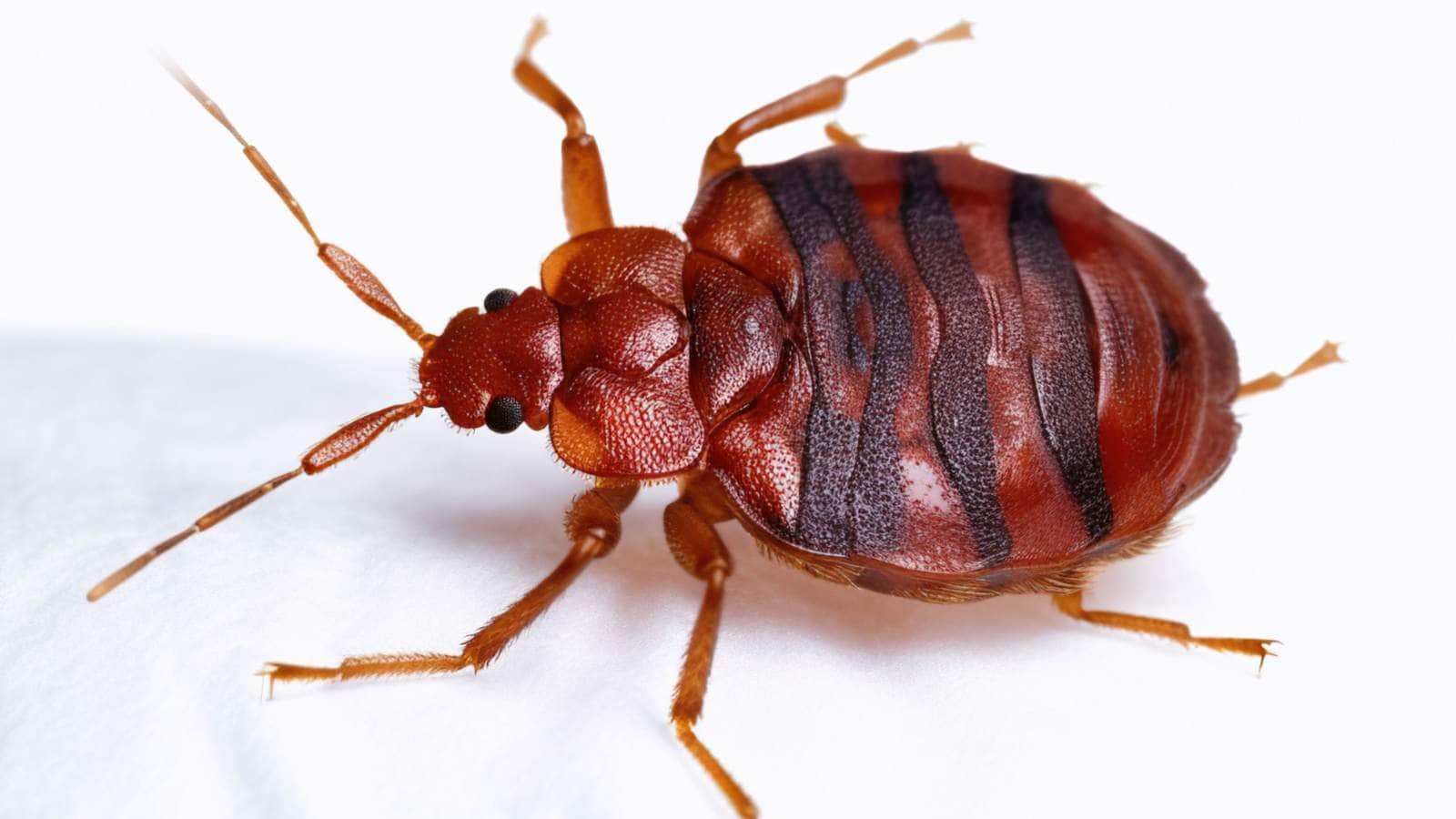
Cimex lectularius

Bed bugs require a methodical, layered approach — vacuuming, heat treatment, botanical sprays, desiccant dusts, and encasement working together. There is no single-product solution.

Botanical SprayFood-Grade DEEncasementHeat Treatment
🔍Identification & Behavior
🔎
Physical Description
Flat, oval, reddish-brown insects, 4–5mm (apple seed size). Swell and darken red-brown after feeding. Cannot fly or jump — spread by hitchhiking on luggage, clothing, and secondhand furniture.
🌙
Habits & Hiding
Strictly nocturnal feeders. Hide in mattress seams, box spring folds, behind headboards, inside electrical outlets, picture frame gaps, and baseboard cracks within 5–10 feet of sleeping areas.
🕵️
Signs of Infestation
Tiny rust-colored fecal spots on sheets/mattress seams. Shed translucent skins near hiding spots. Itchy, clustered bites in lines or groups on exposed skin. Sweet, musty odor in heavy infestations.
🧳
How They Enter
Travel is the #1 source — hotel rooms, public transit, planes. Secondhand mattresses and upholstered furniture. Shared laundry facilities. Visitors' luggage. Inspect and quarantine before bringing in secondhand items.
Important: Bed bugs can survive 6–12 months without feeding. A property that appears clear can have dormant populations. Always follow up 2–3 weeks after initial treatment and again at 6 weeks.
📋IPM Action Steps
1
Confirm Before Treating
Bites alone don't confirm bed bugs — many insects bite. Confirm with physical evidence: live bugs, fecal spots (rust/black dots), shed skins, or egg casings. Use a red-light flashlight at night to inspect mattress seams and frame joints.
2
Prevent Travel Introduction
Inspect hotel rooms before unpacking. Keep luggage on racks, not floors or beds. Wash and dry all travel clothing on high heat (>120°F) immediately upon return.
3
Isolate the Bed
Pull bed 6+ inches from walls. Install bed bug interceptor cups under all four legs. Tuck bedding so it doesn't touch the floor. This turns the bed into a monitoring zone and interrupts feeding access.
4
Heat-Treat Bedding & Clothing
Wash all bedding, curtains, and clothing in hot water (>120°F), then dry on highest heat for 30+ minutes. Bag treated items immediately to prevent recontamination. Use sealed bags for items that can't be heat-treated.
5
Vacuum Thoroughly
Vacuum all mattress seams, box spring folds, headboard crevices, baseboards, and carpet edges methodically. Immediately remove the vacuum bag in a sealed plastic bag and dispose off-site.
6
Apply Dusts & Botanical Sprays
Puff thin DE or silica aerogel layers into baseboards, frame joints, and wall voids. Spot-spray botanical killers (EcoRaider, Bed Bug Patrol) directly in cracks and along seams. Encase mattress and box spring in bed bug-proof covers.
7
Follow-Up Monitoring
Check interceptor cups weekly. Re-inspect mattress seams with a red light. Re-treat if live bugs or new spots are found. Final clear confirmation at 6 weeks post-treatment with no signs of activity.
🛠️Prevention & Cultural Controls
🧳
Travel Hygiene
Inspect hotel mattress seams, headboards, and box spring before sleeping. Keep luggage on metal racks away from walls and beds. On return, immediately wash and dry all clothing on high heat — 30 minutes at 120°F kills all life stages.
🛋️
Second-Hand Furniture
Inspect all upholstered furniture before bringing indoors — check seams, folds, and crevices with a flashlight. Never accept upholstered furniture found on the curb. Treat wooden frames with steam before use if in doubt.
🛏️
Encasements as Prevention
Mattress and box spring encasements eliminate harborage even before an infestation occurs. Recommend to all clients with frequent guests or travel. Interceptor cups under bed legs catch activity early. Reduce clutter under beds and in closets.
⚗️Application Techniques
💨 DE & Silica Gel Dusts — Cracks, Voids & Seams
  1. Vacuum first — always before dusting. Debris reduces dust effectiveness.
  2. Apply thin DE or silica aerogel layers into cracks, seams, and wall voids using a bellows duster.
  3. Target: baseboard gaps, behind outlet covers, bed frame joints, inside headboard recesses.
  4. Leave undisturbed for 7–10 days. Reapply if the area is cleaned or wetted.
  5. Silica gel (e.g., CimeXa) is more effective than DE against bed bugs — use a fine-particle formulation.
  6. Wear a dust mask during application. Keep children and pets away until dust has settled.
🌿 Botanical Contact Sprays — Direct Application
  1. Shake well. Test on an inconspicuous fabric area before spraying upholstery.
  2. Spot-spray directly into cracks, seams, and crevices — not broad surface application.
  3. Apply to mattress seams, box spring folds, headboard gaps, and baseboard cracks.
  4. Allow to dry completely (30–60 min) before allowing contact with skin or bedding.
  5. Combine with encasement — botanical spray + encasement is significantly more effective than either alone.
  6. Reapply every 7–10 days for 3–4 treatments minimum.
Bed Bug Mattress Encasement — Non-Negotiable Step

After vacuuming and treating, encase both the mattress and box spring in a bed bug-proof encasement (look for "bite-proof" certified products). Zip completely and check for tears.

Encasement does two things: traps any remaining bugs inside where they slowly die (can take up to 12 months), and eliminates hiding spots on the mattress surface, making monitoring much more effective.

Important: Leave encasements on for a minimum of 12 months, even after all signs disappear.

🛒Recommended Products
🌿
EcoRaider Bed Bug Killer
Botanical oil formula — kills on contact and affects eggs. University-tested for efficacy comparable to conventional insecticides. Safe for families and pets when dry. Use directly in seams, cracks, and crevices.
Botanical / Egg Kill
🛡️
Bed Bug Patrol
Essential oil-based contact killer. Child and pet safe once dry. Use for spot treatment of harborage areas, seams, and furniture crevices. Combine with DE dust for comprehensive coverage.
Essential Oils / Contact Kill
⚗️
Harris Food-Grade Diatomaceous Earth
Food-grade DE for cracks, voids, and baseboard gaps. Desiccates bed bugs on contact without chemical exposure. Long residual if kept dry. Apply with included powder duster for precise thin-layer application.
Food-Grade DE / Desiccant
💊
MDXconcepts Bed Bug Killer
Plant-based spray, USDA BioPreferred certified. Kills bed bugs and nymphs on contact. No harsh chemical residue. Use as a complement to DE dusting — spray accessible surfaces, dust inaccessible voids.
Plant-Based / USDA BioPreferred
▶️Training Videos
Bed Bug
DE Application
Diatomaceous Earth for Bed Bugs — Seam & Void Technique
Vacuuming first, thin dust on mattress seams, baseboards, and wall voids. Timelapse of desiccation effect and interceptor cup installation.
Search: Diatomaceous Earth Bed Bugs Application
🌿
Botanical Spray
EcoRaider Bed Bug Killer — Safe Application Tutorial
Spot-spraying technique for seams and crevices. How to combine botanical spray with encasements for maximum effectiveness.
Search: EcoRaider Bed Bug Killer Tutorial
🔎
Inspection
Bed Bug Inspection — What to Look For
Using a red flashlight to inspect mattress seams, box spring folds, headboards, and outlet covers. Identifying fecal spots, shed skins, and live bugs.
Search: Professional Bed Bug Inspection Technique
🛡️
Encasement
Mattress & Box Spring Encasement — Correct Installation
How to properly install a bed bug-proof encasement, check for gaps and tears, and use encasements as a long-term monitoring tool.
Search: Bed Bug Mattress Encasement Installation
⚠️Warnings & Herbal Shield Standards
🚫
No Broad Chemical Sprays: Broad pyrethroid or neonicotinoid sprays are not our approach. They cause bed bugs to scatter deeper into walls and neighboring units, making resolution much harder and exposing families to unnecessary chemical contact.
🧹
Dispose Infested Items Carefully: If an infested mattress or piece of furniture must be discarded, wrap fully in plastic, label "Bed Bugs," and coordinate with trash collection — do not leave at the curb uncovered.
💬
Client Script: "Bed bugs are not a hygiene issue — they're a travel and contact issue. Our approach uses food-grade dusts and plant-based sprays in the specific spots where they hide, combined with encasement to eliminate hiding surfaces. No broad chemical spraying in your bedroom."
🚫
Do Not Move Furniture or Bedding Between Rooms: Moving infested items spreads bed bugs to new areas. Advise clients before the first visit: leave everything in place. If an infested mattress or piece of furniture must be discarded, wrap in plastic immediately, label clearly, and coordinate with waste collection — never leave uncovered at the curb.
🏢
Multi-Unit Buildings: Bed bugs spread between units through wall voids, plumbing, and electrical conduit. In apartment buildings, notify building management immediately — adjacent units must be inspected. A single-unit treatment is almost always insufficient without building-wide monitoring. Document client notification in writing.
⏱️
Pupal Stage Cannot Be Killed: Bed bug pupae inside silken cocoons are impervious to every contact insecticide and most heat treatments below 130°F at the core. New adults will emerge for up to 3 weeks post-treatment — this is expected, not treatment failure. Set this expectation explicitly with every client before the first visit to prevent callbacks and lost trust.