← Fleas 🖨 Care Card Carpet Beetles →
Field Guide · Head Lice

Head Lice
Pediculus humanus capitis

A parasitic public health pest that requires precise mechanical removal and least-toxic support — never broad pesticide sprays. Lice are a hygiene-neutral issue; they infest clean and dirty hair equally. Our role is education, expert nit-combing guidance, and safe environmental cleaning.

Human Parasite No Pesticide Needed Mechanical Removal First School-Age High Risk
🔍Identification & Behavior
🔎
Physical Description
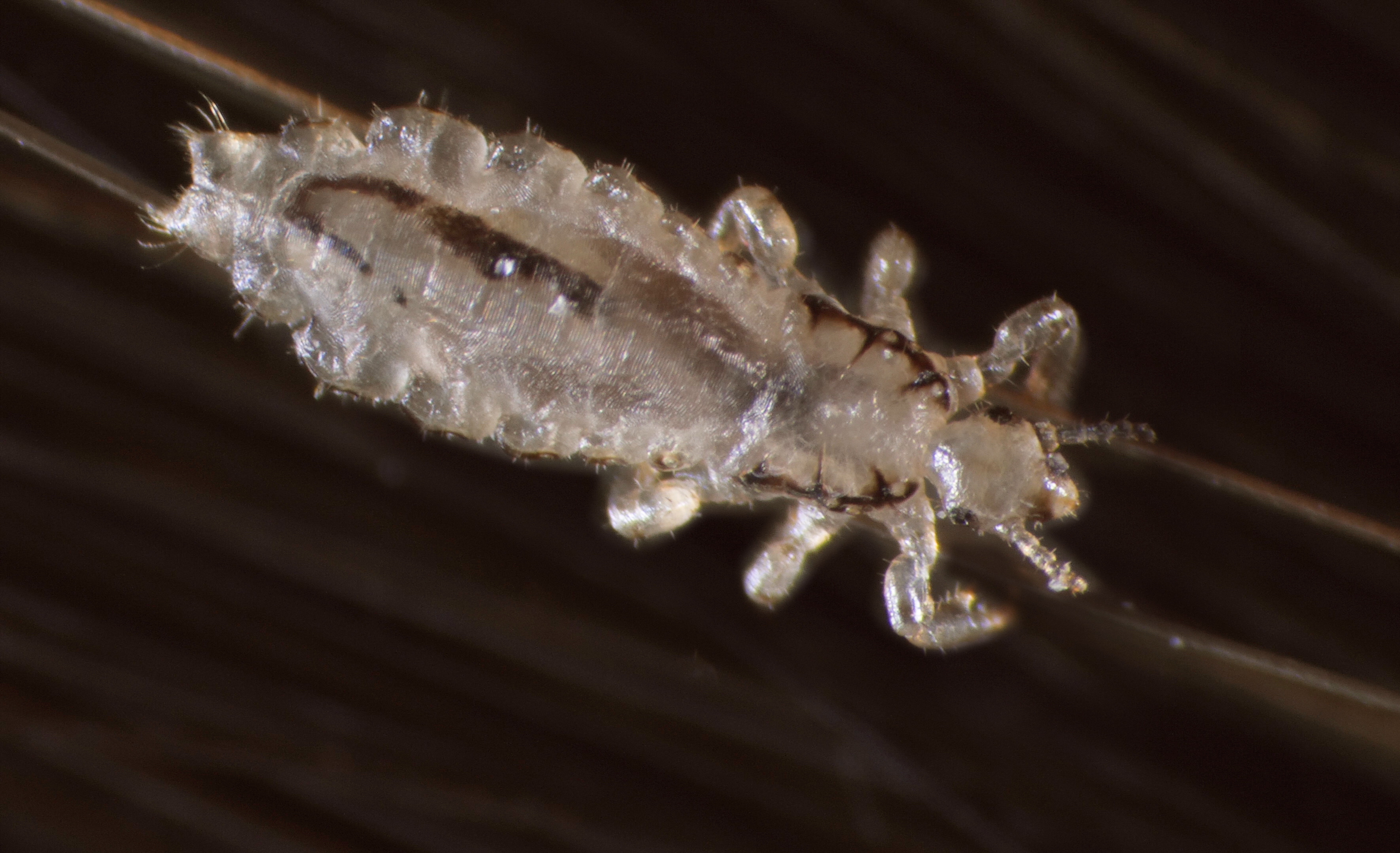
Adults are 1–3mm long, flat, wingless, and reddish-brown to grayish-white. Six legs with curved claws adapted to grip hair shafts. Cannot jump or fly — contact-only transmission. Nits (eggs) are 0.8mm, teardrop-shaped, and cemented to a hair shaft within 6mm of the scalp.
🕐
Life Cycle — 24–35 Days Total
Eggs hatch in 8–11 days. Nymphs mature to adults in 8–9 more days. Adults live 9–10 days and survive off-host only 24–48 hours without a blood meal. Females lay 50–100 eggs in a lifetime — one viable egg is one potential infestation. Viable nits turn tan/coffee-colored as they mature.
📍
Where They Live
Primarily on the scalp — concentrated around the nape of the neck and behind the ears. Also found on eyebrows, eyelashes, and in very heavy infestations, body hair. Nits are found on the hair shaft itself, close to the scalp. They do not infest the home the way fleas or bed bugs do.
🤝
How They Spread
Direct head-to-head contact is the primary transmission route — common among children during play, school, and sleepovers. Shared combs, brushes, hats, scarves, pillows, and upholstered furniture can transfer nit-carrying shed hairs. Lice cannot jump or fly.
⚠️
Hygiene Neutral: Head lice are not a sign of poor hygiene. They are equally attracted to clean and dirty hair. This is critical to communicate to families — stigma is one of the primary barriers to effective treatment.
📋IPM Action Steps
1
Confirm Before Treating
Identify live lice or viable nits before recommending treatment. Dandruff, lint, hair casts, and dead nits are frequently misidentified. Key distinction: nits are cemented to the shaft — they will not flick or slide. Dandruff moves freely. Use a bright light and fine-toothed metal nit comb for confirmation.
2
Inspect All Household Members
Screen every person in the household. Lice spread quickly through shared sleeping arrangements and incidental contact. Document who is infested before starting — untreated household members are the most common source of reinfestations.
3
Mechanical Removal — Wet Combing (Primary Treatment)
Apply a generous coat of coconut oil, olive oil, or hair conditioner to lubricate the scalp and immobilize lice. Divide hair into 1-inch sections. Comb each section from scalp to tip with a fine metal nit comb (Licemeister or equivalent). Immerse captured lice/nits in hot soapy water. Repeat every 3–4 days for at least 14 days. This is the most effective and safest approach.
4
Heat Treatment Option
Professional hot-air devices (LouseBuster/AirAllé style) dehydrate lice and eggs by applying heated air directly to the scalp. Studies show >90% efficacy on eggs when properly applied. Do not attempt with a standard handheld hair dryer — incorrect application can scatter lice. Recommend certified lice removal salons for this service when available.
5
Environmental Cleaning — Targeted, Not Excessive
Lice do not infest the home like bed bugs or fleas. Focus cleaning on items with direct head contact in the past 48 hours: pillowcases, hats, hair accessories, combs. Vacuum upholstered furniture and car seats. Bag non-washable items for 72 hours — lice die without a host in 24–48 hours.
6
Laundry Protocol
Wash all bedding, towels, and clothing worn in the past 48 hours in hot water (130°F+) and dry on high heat for 30+ minutes. Soak combs and brushes in 150°F water for 15 minutes. This kills all stages — lice and nits both.
7
Botanical Support — Enzyme & Essential Oil Products
Enzyme-based lice sprays (Lice B Gone, Not Nice to Lice) claim to dissolve the outer coating of lice and loosen nit cement without registering as pesticides. Essential oil products (tea tree, lavender, neem) have shown repellent and mild efficacy properties in studies. Use as a complement to mechanical removal — never a replacement for nit combing.
8
Follow-Up Inspection
Check all treated individuals at Day 3–4, Day 7, and Day 14. Finding new nymphs at Day 7 indicates missed eggs — continue wet combing. Clear status is confirmed when no live lice or viable nits are found after 14 consecutive days of combing.
🛠️Prevention & Cultural Controls
🚫
No-Share Policy
Establish a no-sharing policy for combs, brushes, hats, scarves, pillows, and hair accessories among children and classmates. This is especially important in school settings with shared cubbies or coat hooks — individual labeled bins or sealed bags prevent cross-contamination.
💇
Hair Management
Long hair worn up (braided or in a bun) is significantly harder to infest via incidental contact. Recommend parents braid children's hair before school. Some research suggests tea tree or lavender-scented products provide a mild deterrent effect, though they do not prevent infestation.
🏫
School & Daycare Communication
When a case is detected, prompt communication with school or daycare allows other families to check early. Discourage panic — no-nit policies that keep children out of school are not recommended by the AAP. Early detection and treatment by families is the most effective community control.
🧴Application Techniques
Wet Combing — The Herbal Shield Standard Approach
  1. Apply a generous coat of coconut oil or leave-in conditioner to dry or damp hair from root to tip. This immobilizes lice and provides slip for the comb.
  2. Detangle with a wide-tooth comb first. Divide hair into 1-inch sections systematically — work from one side to the other so no section is missed.
  3. Comb each section from scalp to tip with a fine-toothed metal nit comb, wiping the comb clean on a white paper towel after each stroke. The white paper towel makes lice and nits visible.
  4. Immerse the paper towel in hot soapy water or seal in a plastic bag between wipes.
  5. After completing all sections, rinse hair thoroughly. Blow-dry on medium heat — heat helps further dehydrate any remaining lice and nits on the shaft.
  6. Repeat every 3–4 days for 14 days minimum. The goal is to comb out newly hatched nymphs before they mature to egg-laying adults. Consistency matters more than any single product.
Environmental Cleaning — Scope & Priority

The home environment is not where lice live or reproduce — they need a human host. Excessive home spraying with pesticides is unnecessary and counterproductive. Focus environmental effort on:

  • Direct head contact items (past 48 hrs): Pillowcases, hats, helmets, scarves, hair accessories, combs, and brushes. Wash in hot water and dry on high heat.
  • Upholstered surfaces: Vacuum couch headrests, car seats, and any upholstered surface where the infested person rested their head in the past 48 hours. One thorough pass is sufficient.
  • Non-washables: Stuffed animals, decorative pillows, and items that cannot be machine washed — seal in a plastic bag for 72 hours. Lice will be dead long before the bag is opened.
  • Floors and non-contact surfaces: Do not require special treatment. Standard cleaning is adequate.
Botanical & Enzyme Product Application

When using enzyme-based or essential oil products as a complement to mechanical removal:

  • Apply to dry hair, saturating thoroughly from scalp to tip. Follow manufacturer contact time (typically 10–30 minutes).
  • Cover with a shower cap during the contact period.
  • Always follow product application with a full nit-combing session. Products alone — even effective ones — will not remove nits from the shaft. Nits must be combed out manually.
  • Rinse thoroughly and comb a second time through damp hair.
  • Never apply these products to eyebrows or eyelashes — consult a physician for periocular lice.
🛒Recommended Products
🪮
Licemeister Metal Nit Comb (NPA)
Fine-toothed stainless steel comb from the National Pediculosis Association. The gold standard for mechanical nit removal — far more effective than plastic combs. Teeth are close-set enough to catch nits. Clean by soaking in 150°F water for 15 minutes between sessions and between family members.
Mechanical / Primary Treatment
🥥
Coconut Oil (Food-Grade, Virgin)
Applied liberally to dry or damp hair prior to nit combing. Immobilizes lice, lubricates the comb, and provides enough slip to comb through thick hair without causing pain. No pesticide registration required — this is a food-grade emollient. Odor-neutral. Safe for any age.
25(b) Exempt / Lubricant
🌿
Fairy Tales Rosemary Repel Lice Shampoo
Plant-based preventive shampoo containing rosemary, tea tree, lavender, and citronella. Used as a maintenance repellent between active treatments and in household members without current infestation. DEET-free, paraben-free. 25(b) exempt ingredients. Safe for daily use in school-age children.
25(b) Exempt / Botanical Repellent
🧴
Lice B Gone Enzyme Spray
Enzyme-based treatment claimed to dissolve the outer coating of lice and nits without synthetic pesticides. Not EPA-registered as a pesticide — classified as a non-toxic personal care product. Apply to thoroughly saturated hair, cover for 15–30 minutes, then comb. Works best as a nit-loosening complement to mechanical combing, not as a standalone treatment.
Enzyme-Based / Non-Pesticide
🌿
Vamousse Lice Treatment (Dimethicone)
Silicone-based mousse that physically suffocates lice by coating their spiracles (breathing pores). Dimethicone has no pesticidal chemical action — lice cannot develop resistance to physical suffocation. 25(b) exempt in most formulations. Apply as foam to dry hair, leave 15 minutes, then comb thoroughly. Recommended when enzyme products are insufficient.
25(b) Exempt / Physical Suffocant
🎬Training Videos
🪮
Technique
Professional Wet Nit-Combing Method
Step-by-step sectioning, oil application, and strand-by-strand combing technique. Shows how to identify viable vs. dead nits and document findings.
Search: "professional nit combing technique" on YouTube
🔍
Identification
Nit vs. Dandruff — Visual ID Guide
Common misidentification errors that lead to unnecessary treatment. Shows how to distinguish live nits from dandruff, hair casts, and dead nits using a bright light and fine comb.
Search: "nit vs dandruff identification" on YouTube
🏠
Home Protocol
Environmental Cleaning — What to Do & What to Skip
Addresses the most common client error: excessive home cleaning. Shows exactly which surfaces to treat, how to handle non-washables, and why whole-house pesticide spraying is unnecessary and harmful.
Search: "head lice home cleaning protocol" on YouTube
👨‍👩‍👧
Client Communication
Removing the Stigma — How to Talk to Families
Practical language for reducing shame and panic. Covers explaining transmission, hygiene neutrality, realistic treatment timelines, and when to notify schools without overreacting.
Search: "head lice stigma communication parents" on YouTube
⚠️Warnings & Herbal Shield Standards
🚫
No Pesticidal Lice Shampoos: Products containing permethrin (Nix), pyrethrin (Rid), malathion, or lindane are not part of the Herbal Shield protocol. Pyrethrin resistance is now widespread — the CDC and AAP report that "super lice" resistant to these treatments affect an estimated 98% of lice populations in 48 U.S. states. These chemicals also carry neurotoxicity risks, particularly in children under 2 and pregnant women. They are inconsistent with our least-toxic brand promise.
🚫
No Home or Furniture Pesticide Sprays: Never recommend or apply pesticide sprays to furniture, mattresses, carpet, or car seats for lice control. Lice do not survive more than 24–48 hours off a human host — they do not infest the home. Applying pesticides to living spaces creates unnecessary chemical exposure for families, especially children, with no benefit to lice control.
👁️
Periocular (Eyelash/Eyebrow) Lice: Lice on eyelashes or eyebrows require physician management — do not attempt treatment. Manual removal with a cotton swab and petrolatum (Vaseline) applied by a parent under physician guidance is the accepted approach. Do not apply any spray, oil, or product to the eye area.
🎓
Scope of Service — Be Clear: Herbal Shield provides environmental assessment, cleaning guidance, and product recommendation support. We do not perform on-person lice removal (nit-picking) services. Refer clients to licensed lice removal salons or their pediatrician for hands-on treatment. We can advise on protocol and provide appropriate products.
💬
Client Script: "Head lice are a very common issue — about 6–12 million cases per year in the U.S., mostly in school-age children. It has nothing to do with how clean your home or your child's hair is. Our approach focuses on mechanical removal with a fine nit comb and safe plant-based products — no pesticide shampoos, which have widespread resistance anyway. The most important thing is consistent combing over 14 days. I'll walk you through exactly what to do."